
Executive Summary
Despite global efforts, progress toward achieving the SDGs by 2030 is stagnating. A series of crises, including economic shocks, conflicts, and environmental degradation, has deepened the challenge. Critically the liberal international order, which has supported global peace and prosperity since World War II, is fracturing under the weight of conflicts, energy crises, and economic inequality, exacerbating the world’s challenge and diverted attention and resources away from the SDGs
The UN Sustainable Development Goals are Fading into the Distance
At the halfway point of the 2030 SDG journey, the world is far from reaching its targets, with progress having stagnated since 2020 due to a series of global crises. The 17 goals have faced significant setbacks across hunger and poverty, economic development, environmental conservation and governance. While developed nations, especially in Europe, lead in terms of sustainable development, none are on track to achieve the goals
Conflicts and World Order Changes Challenging Progress
The world is grappling with multiple interconnected crises, including armed conflicts, energy shocks, deglobalization, climate change, and economic disruptions, which are diverting attention from long-term sustainable development goals. As these crises converge, they risk creating a "polycrisis," where their combined impact far exceeds the sum of their parts. Moreover, the liberal international order underpinning the multi-lateral cooperation needed to address this polycrisis is itself under threat as well.
Paying for the Increasingly Unaffordable: The Rising Cost of Funding the SDGs
Current spending on sustainable development is insufficient to meet the total SDG funding requirement. The overall funding gap, the additional investment or spending required annually until 2030 to meet the SDGs, is estimated at c.US$14-17 trillion, largely focused in developing economies. While the world as a whole has over US$433 trillion in liquid assets that could be deployed in support of the goals, the vast majority of these assets are not aligned with sustainable development objectives.
The World Needs Big Ideas
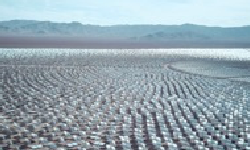
Big ideas for good can act as the spur for positive change and be an effective antidote to the spiral of failures that have led to today’s polycrisis. Leveraging existing and proven solutions which already exist across key stakeholder group including governments, the private sector, NGOs and foundations, and scaling these for global deployment can unlock global capital flows to advance the goals.

Deploying Initiatives Globally for Impact
Executing solutions that further the SDGs has the merit of delivering relief to every part of the world and raising every individual, community and country. The two dimensions of the change are solution and country; with solutions being selected, rolled out and scaled at the national level based on need, execution capabilities and the expected impact that each initiative is expected to bring towards closing the gap.
Execution Considerations
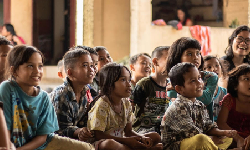
Execution will be key for the world to meet the SDG 2030. Many countries lack the technical know-how, resources, domestic conditions for deployment, funding access, and implementation capacity. To achieve meaningful progress against the SDGs, careful execution of every initiative will be essential. The overall execution approach must address and overcome all of the major inhibitors that have hindered progress to date.
Conclusion: A Blueprint for Transforming the Global Order by Delivering the SDGs
Coordinated, multilateral action is essential to navigate this pivotal moment for the world, ensuring that it moves towards a sustainable, secure future. The urgency is clear: immediate action is needed to address the polycrisis and establish a new, inclusive global order that can achieve nearly 90% of the SDGs in the near term and shape a prosperous future for all.

